Visibility Is Part of the CEO Job

Visibility Is Part of the CEO Job

I don't think every CEO needs to become a LinkedIn personality. The question is simpler. Who needs to know you exist? Where are they? And what would help them understand how you think before they ever sit across from you? That answer will change as the company grows, as your buyers change, as platforms come and go. You adjust. That I don’t think you can do anymore is decide visibility isn’t part of your job at all. Your personal brand is important to your company’s brand.

Read More


You Can't Scale the Company Without Scaling the Culture

You Can't Scale the Company Without Scaling the Culture

Founders tend to think about a major transition as a singular event. You prepare, announce, close, and now you're a different company. In my experience, the company starts changing well before any of that happens. I've been through this several times now, and the details were different every time. The weirdness was pretty consistent.

Read More

The Bridge to the Moon

The Bridge to the Moon

If you're building a company, knowing your role isn't optional. The visionary needs someone who will build what they see without getting in the way of the seeing. The integrator needs someone who will point at the moon and mean it and keep pointing at the same moon long enough for the bridge to get built. The mistake I see most often: trying to be both or hiring someone who mirrors you when you need someone who complements you.

Read More

Why Long-Term Thinking Is Failing Leaders Right Now

Why Long-Term Thinking Is Failing Leaders Right Now

For years, leadership advice was straightforward. Set the vision. Pick a point on the horizon. Steer toward it. Adjust for obstacles, but do not lose sight of where you are going. That advice assumes you can see the horizon. Right now, many leaders cannot.

The long term did not disappear. It accelerated.

Read More

When Positivity Becomes Toxic Leadership

When Positivity Becomes Toxic Leadership

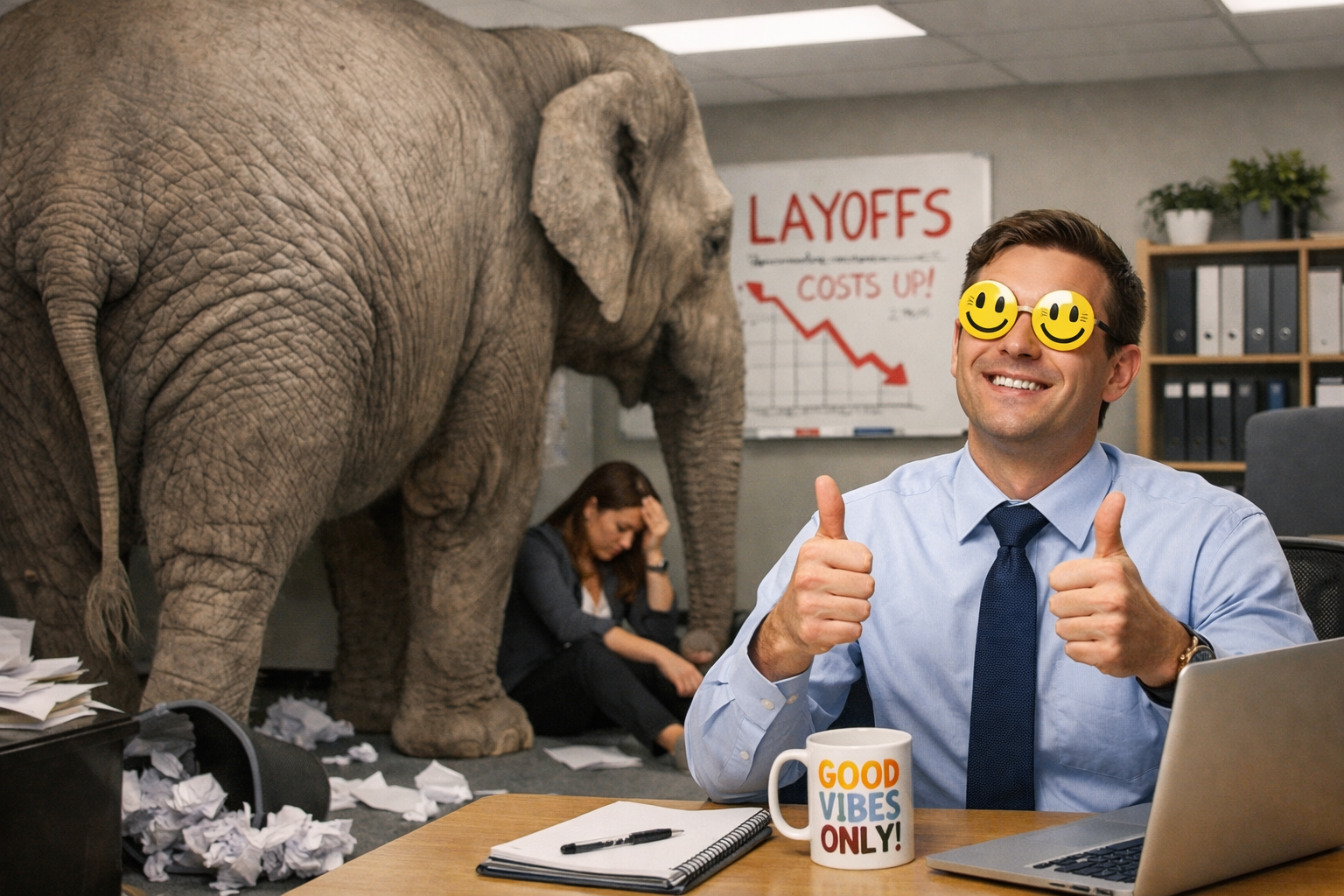
Positivity becomes toxic when it feels forced. When it ignores obvious problems. When it discounts what people are feeling or seeing. Most of the time it is not about morale. It is about discomfort. Leaders reach for positivity when they don't want to sit in the tension of a hard situation. If everything sounds upbeat, maybe the problem feels smaller. It doesn't.

Read More

Judgment Shuts Conversations Down. Curiosity Opens Them Up.

Judgment Shuts Conversations Down. Curiosity Opens Them Up.

When someone says or does something that bothers you, there's a fork in the road. One path is judgment. The other is curiosity. Judgment is faster. It feels decisive. Especially under pressure. Curiosity takes more time. It requires vulnerability. It risks hearing something you don't like. So most leaders default to judgment.

Read More