Shiny Object Syndrome Will Break Your Company. It's Also What Built It.
/Years ago, I gave one founder his own ringtone.
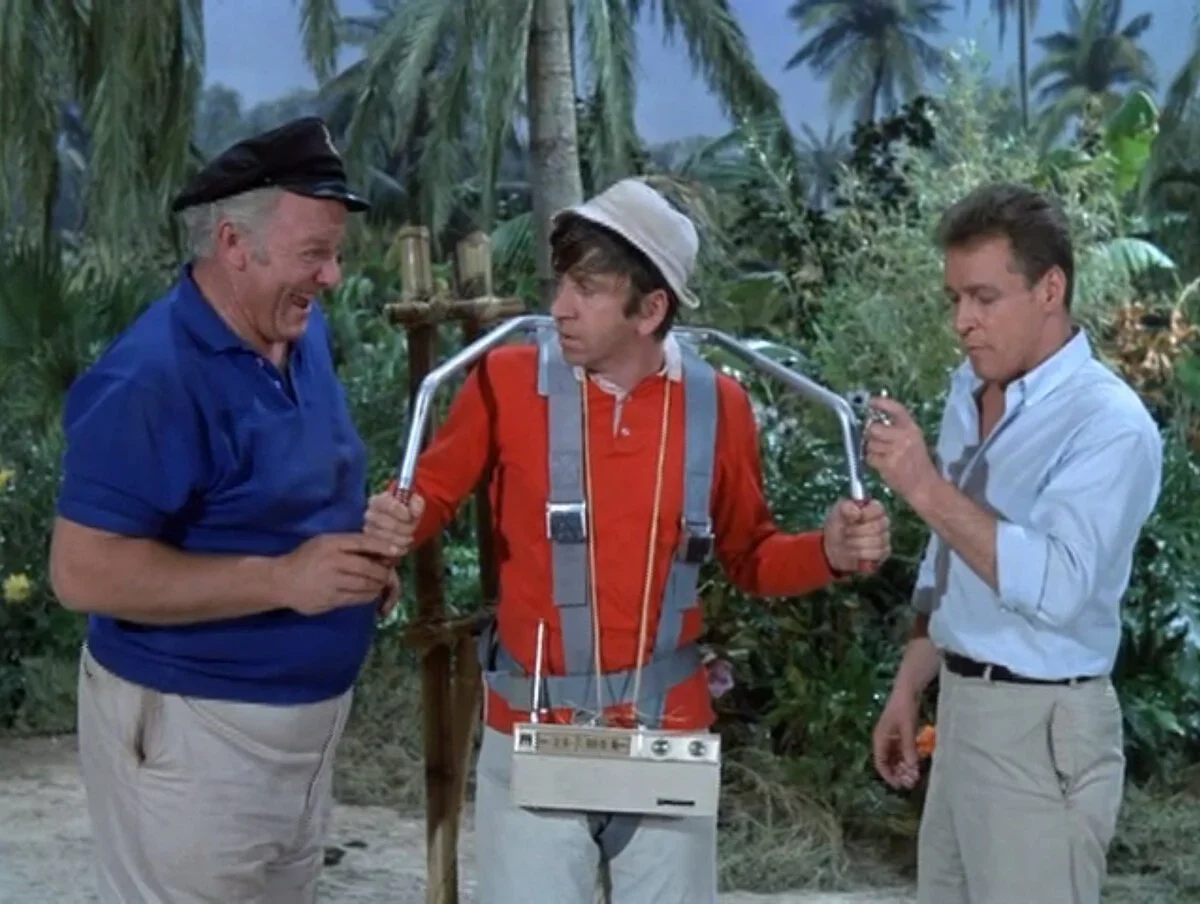
It was the theme from Gilligan's Island.
Not because I disliked him. Because I knew exactly what it meant when his name came up on my screen.
It was Sunday. He'd been in the garden all weekend, thinking. By the time he called, he had another idea that was going to change everything.
Early in our relationship, I answered every one of those calls. I'd engage in real time, take notes, start thinking through implications. He could hear me getting practical. I thought that was the job.
It wasn't.
One quarter, we changed direction three times. By the fourth month we were back where we started. The team wasn't losing confidence in the plan. They were losing confidence in the process.
I stopped answering on Sundays. Waited until I saw him Monday morning in the office instead. More often than not, the urgency had settled. The idea was still there, sometimes sharper, sometimes gone. We'd put it on the list, talk it through at our next meeting, move on if it didn't have legs.
He still called every Sunday. He still got the Gilligan ringtone. What changed was how I treated the call.
The Wiring Is the Source
I've since coached enough founders to notice a pattern. The same restlessness that makes it hard to stay on plan is what made them start the company in the first place. The wandering mind, the refusal to be satisfied with what already exists, the ability to see something before it exists: that's not a disorder. That's the source.
When an employee tells me their founder is going to drive the company into the ground, I ask one question: what did this place look like ten years ago? In most cases, the answer is nothing. The founder created those jobs out of a harebrained idea nobody else believed in. The same mind that keeps generating new ideas generated the company.
The shiny object isn't the problem. The absence of the right person to hold it is.
Wondering Isn't Deciding
Here's the dynamic nobody talks about.
A founder throws out an idea because they're thinking out loud. Following a thread. Trying on a possibility. In their head, they're wondering.
The team hears a commitment. The leadership hears a priority. Engineering hears a roadmap change. Marketing hears six weeks of work that might get thrown away.
Everyone leaves the room with a different understanding of what just happened.
The founder wasn't asking anyone to change the roadmap. They were asking for help thinking. Those aren't the same conversation. When leadership teams don't know the difference, the cost of a founder's ideas goes up with every meeting.
This is why urgency isn't evidence. It's proximity. The idea feels important because it's new, not because of what it is. By Monday morning it often looks different. By Thursday it either has legs or it doesn't. The integrator, maybe the COO, who responds to urgency as if it were importance trains everyone to treat every idea like a fire.
By the Time You Hear It, It's Already a Decision
The instinct most integrators have is to push back on new ideas. Raise the obstacles. List the reasons. Protect the current plan.
That instinct is expensive.
The founder who gets shut down at every turn stops bringing things early. They start processing internally, vetting with outside advisors, building conviction on their own. By the time the idea lands in the room, it's no longer a question. It's an announcement.
Now the integrator is in an impossible position: push back on a decision that's already been made, or get out of the way of something they never had a chance to shape.
The goal isn't to become a yes person. It's to stay in the conversation early enough to matter. The integrator who shuts the door trains the founder to go around it.
The Idea Needs to Breathe
I worked for another founder who attended a peer advisory board once a month. He'd call me on the drive home after every session, full of new directions. I started letting those calls go to voicemail. The ideas that were still alive by then were worth a conversation. The ones that weren't didn’t need one.
Time is part of the evaluation process.
The questions have to be real. Not questions that are arguments in disguise. Founders can always tell. The moment they feel managed instead of heard, the conversation ends and the idea goes underground.
I once advised a founder who kept raising the same pivot idea. His team kept shooting it down, with good reason. He wouldn't let it go. So I sat with him and we built it out together. Worked through the numbers until we got to one question: if you had the capital to fund this today, would you?
He said no.
He talked himself out of it. Not because I told him it was wrong. Because I followed him down the path so I ultimately could ask a real question and gave him room to find his own answer.
That's the whole job.
The Founder Can't Do This Alone
It's extraordinarily difficult to self-regulate the same wiring that's generating the ideas. Not impossible. Some founders learn it. Most need someone outside their own head.
That's not a character flaw. That's the design.
Most leadership strengths work this way. The same trait that creates the capability also creates the cost. Confidence tips into arrogance. Urgency becomes anxiety the team can't outrun. Vision, without someone to hold the ground, becomes constant reinvention. The goal isn't to eliminate the strength. It's to build the relationship that manages what it costs.
The Gilligan ringtone wasn't about avoiding the call. It was a signal to myself that what was coming needed room before it needed a response. An idea at 4pm on a Sunday and a decision in a Tuesday meeting are different animals. Treating them the same way was costing us both.
That founder built something. He called every Sunday for the couple of years we worked together. I kept the ringtone. What changed was what we each understood the call was for.