
We welcome your inquiry. There is so much that we can do to help you and your business grow. Please reach out and start the conversation with us.
T 408-657-8748
E info@trajectify.com
We welcome your inquiry. There is so much that we can do to help you and your business grow. Please reach out and start the conversation with us.

T 408-657-8748
E info@trajectify.com
Startups and Small Businesses sometimes find themselves at the edge of a chasm. With success in developing and growing their business, a stage is reached where they find that the "next step" is a big one! Trajectify partners with the entrepreneur to build momentum and trajectory to be able to cross the chasm.
We offer private and group (Mastermind) coaching and hold frequent events and seminars.
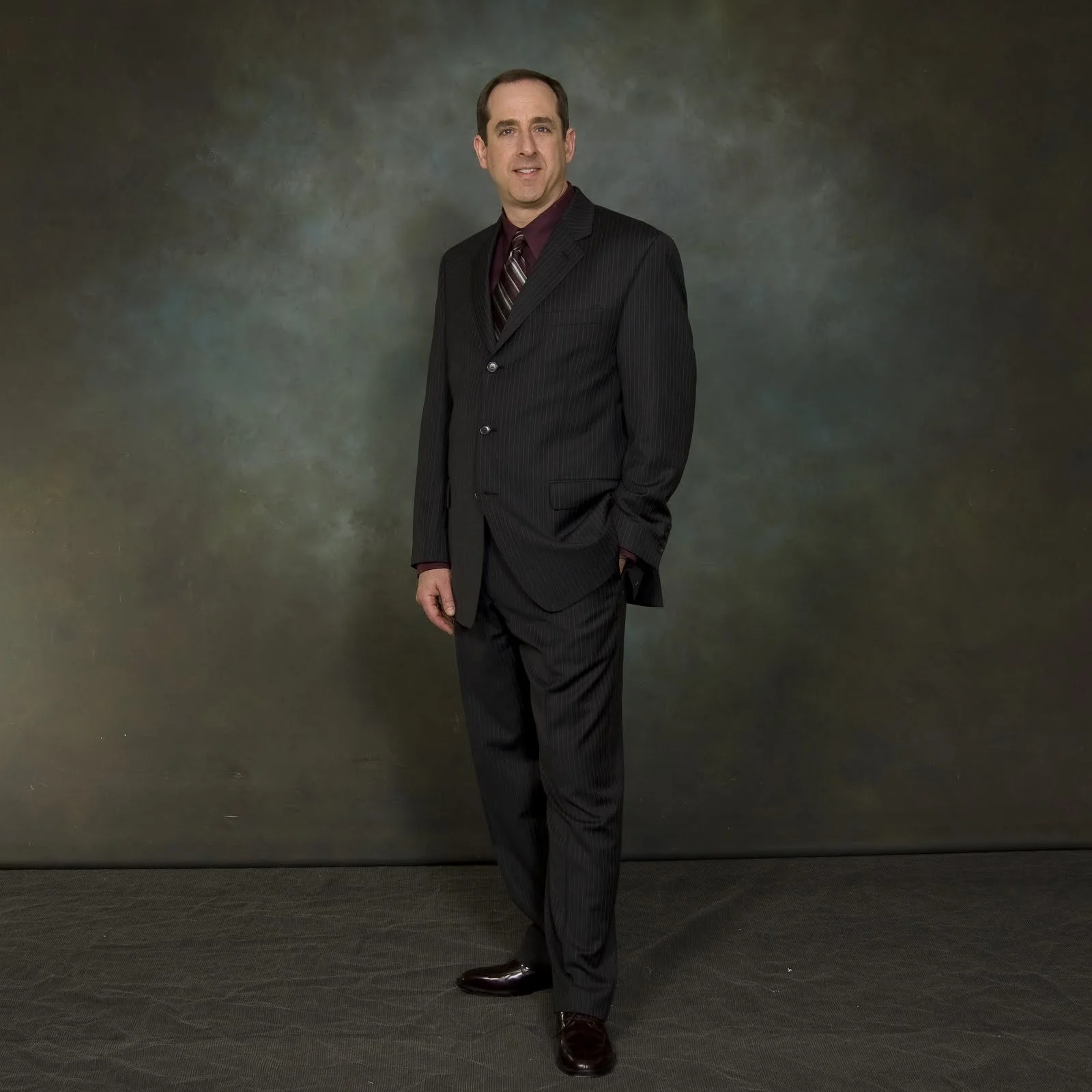
Trajectify is founded my Mike Krupit, veteran of eight startups. Mike has helped dozens of companies grow and mentored and advised hundreds more.
I don't think every CEO needs to become a LinkedIn personality. The question is simpler. Who needs to know you exist? Where are they? And what would help them understand how you think before they ever sit across from you? That answer will change as the company grows, as your buyers change, as platforms come and go. You adjust. That I don’t think you can do anymore is decide visibility isn’t part of your job at all. Your personal brand is important to your company’s brand.
Most founders and executives I work with are uncomfortable talking about how they look. It feels shallow. Not the point. I get it. They started their companies because of a vision, not an ego. By the time they're working with an advisor, they're wrestling with real problems: who belongs in which seats, how to build accountability, how to run a leadership meeting. Thinking about personal image can feel self-indulgent by comparison.
Founders tend to think about a major transition as a singular event. You prepare, announce, close, and now you're a different company. In my experience, the company starts changing well before any of that happens. I've been through this several times now, and the details were different every time. The weirdness was pretty consistent.
Sometimes exploration is worth it. Sometimes you just spent a week of the team’s attention answering a question the founder could have tested in an afternoon. That is the part I think leaders underestimate. Ideas do not only cost money. They cost time, focus, and brainpower long before anyone approves a budget. The question I’d want answered is: how much of the organization does this idea deserve yet?
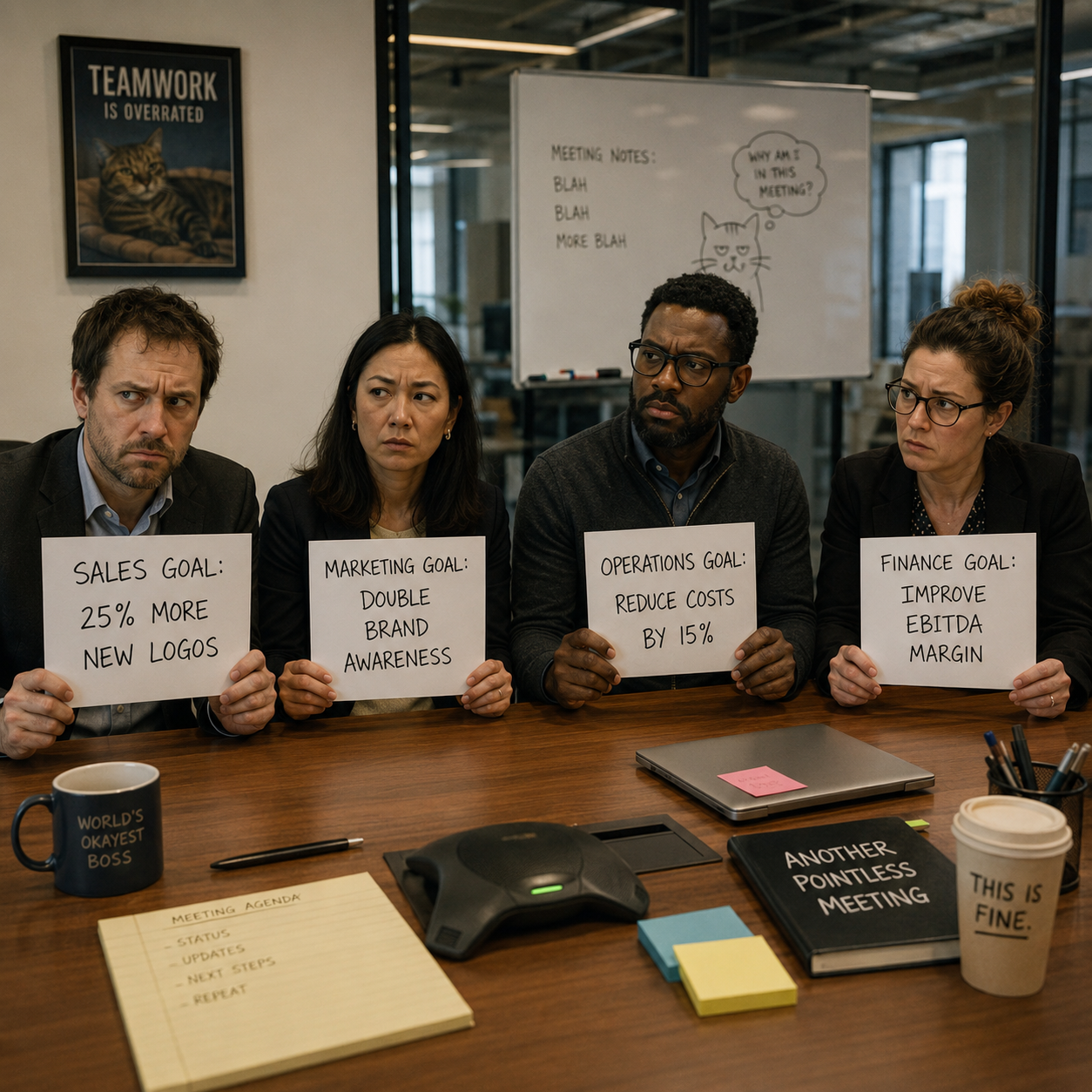
Ask a room of leaders why they set goals and most will say accountability. That answer creates the problem. Goals exist for alignment. The company needs to reach a number, so this group does this, that group does that, and together the math works. Everyone is pointed in the same direction. Focus comes second. A good goal tells you what to say no to.
The instinct to build a team that moved in the same direction, at the same pace, with the same set of perspectives is limiting. Consistency is created at the expense of range. The goal isn't alignment of strengths. It's coverage. The most dangerous teams I've seen weren't the ones with conflict. hey were the ones with none. Where every conversation ends in agreement. Where nothing gets surfaced. Where the people who see things differently may have learned to stop saying so.
The same restlessness that makes it hard to stay on plan is what made them start the company in the first place. The wandering mind, the refusal to be satisfied with what already exists, the ability to see something before it exists: that's not a disorder. That's the source.

TEAM | INTERIM EXECS | COACHING | PEER ADVISORY | SERVICES | RESOURCES | CAREERS | CONTACT
Copyright 2026, Trajectify LLC. All Rights Reserved.




I’ve been facilitating CEO peer groups for fifteen years. The biggest factor in whether someone gets value from a group is vulnerability. Not performative vulnerability. The kind that costs you something to say out loud, the thing you'd rather not say because it makes you look uncertain, stuck, bored, scared, or wrong. The people who get the most from these groups aren't necessarily the ones with the biggest problems. They're the ones willing to let the room see the problem clearly enough to help.