How You Look Is Part of How You Lead
/I was about to walk into a Wall Street Journal conference as a panelist.
The analysts running it were adversarial. Everything said would be on record. I had about two weeks' notice.
I'd just moved from COO to CEO at CDNOW. COO is mostly an internal job. CEO is not. My predecessor had committed to this panel, then he was gone, and I was in the seat.
I knew how to run the company. I had no idea how to be the public face of it.
I didn't know how to talk in sound bites. I didn't know what to wear on camera. I didn't know how to hold still.
They got me a media coach and a communications coach.
One had worked with executives and political leaders. She taught me things like how to sit in a sports jacket (pull the sides down and tuck them under you to anchor you in the seat). Useful if you're a hyperactive New Yorker who tends to be all over the place.
They taught me to prepare my answers so they'd come out as sound bites, tight enough that they couldn't be taken out of context.
One coach threw paperclips at me every time I said "um."
That kind of coaching doesn't work for everyone. It worked for me.
I didn't enjoy it. It was hard work and out of my comfort zone. But I learned something I haven't forgotten: how you show up is a choice. Most of us just aren't making it consciously.
The Suit Story
Around the same time, I was traveling to New York City regularly for meetings with our new corporate owners.
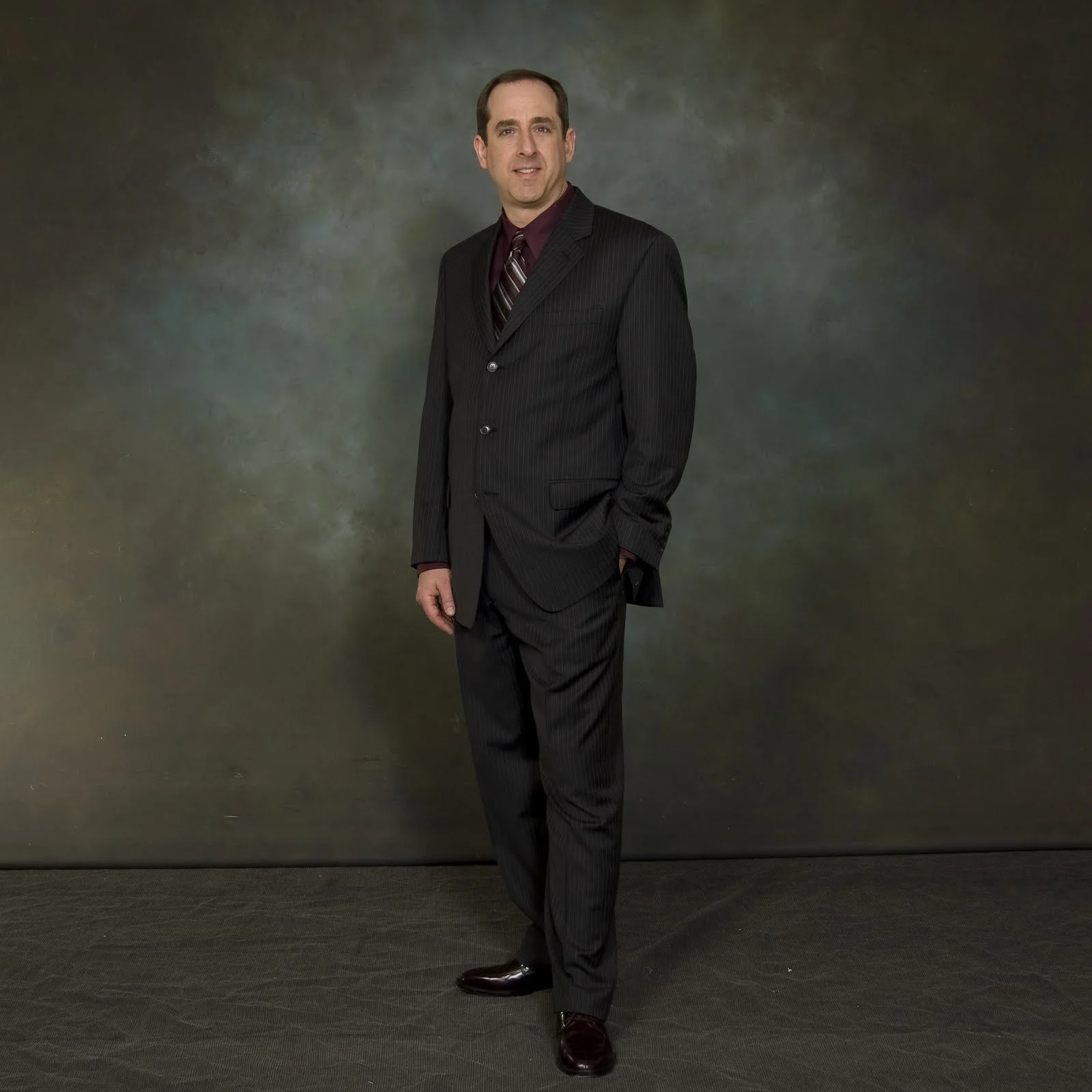
They dressed nicely. I dressed nicely for those meetings.
I'd leave our startup in Philadelphia, take the train up, do a full day of meetings, and come back to the office still in the suit.
One day my head of HR pulled me aside.
Take the tie off before you walk in the door. Unbutton your shirt. Lose the jacket if you can.
There wasn't a single person in our 700-person “startup” company who dressed like that.
She was right.
I wasn't trying to send a message. But I was sending one.
Nobody in the office cared where I'd been or why I was wearing a suit. They just saw the suit.
I thought intent mattered more than it did.
Why Leaders Resist This Conversation
Most founders and executives I work with are uncomfortable talking about how they look.
It feels shallow. Not the point.
I get it. They started their companies because of a vision, not an ego. By the time they're working with an advisor, they're wrestling with real problems: who belongs in which seats, how to build accountability, how to run a leadership meeting.
Thinking about personal image can feel self-indulgent by comparison.
I used to feel some version of that too.
We spend a lot of time with leaders on their words. What they say. How they say it. How they communicate under pressure.
We spend a lot less time on the visual story running alongside those words.
People are taking that in whether you planned for it or not.
Early one Sunday morning I ran into three of my own employees in New Hope.
I was in gym shorts and a ratty t-shirt.
I felt it immediately.
They probably didn't care. I cared.
I suddenly became aware that they were seeing a version of me I'd never really thought of as part of the job.
As a leader you're always on.
Not performing. But on.
Getting Deliberate About It
I recently started working with an image consultant, Reginald of NY Fashion Geek.
He kept pushing me toward consistency.
I didn't need a costume for Zoom, another one for LinkedIn, and another one for a board meeting. I needed to look like the same person in each room, just adjusted for where I was.
For a while I'd decided I wanted to be the person in the room wearing the shirt everyone remembered.
Reginald pointed out the problem with that.
If everyone remembers the shirt and not the conversation, you probably overdid it with that shirt.
The adaptation part matters too.
When I came back from those NYC meetings, the answer wasn't to stop dressing well. It was to adapt.
Lose the tie. Open the collar.
You still look like yourself. You just read the room.
Early in my business, a sales trainer gave me a rule I'd forgotten to practice: always dress one notch above your prospect or client.
If they're in a sports jacket, wear a jacket and a tie. If they're in jeans and a T-shirt, wear a button-down.
Not a three-piece suit to a startup meeting. Just one step up.
The message isn't superiority.
It's preparation.
It says you took the meeting seriously enough to think about how you showed up.
What I Actually Think Now
I used to think this stuff was mostly cosmetic.
Clothes. Posture. Camera presence. Whatever.
I don't anymore.
People are reading all of it while you're busy thinking about what you're going to say next.
I used to think that was superficial.
Now I think ignoring it is just giving up part of the message.