What Leadership Teams Learn When the Helicopter Goes Down

What Leadership Teams Learn When the Helicopter Goes Down

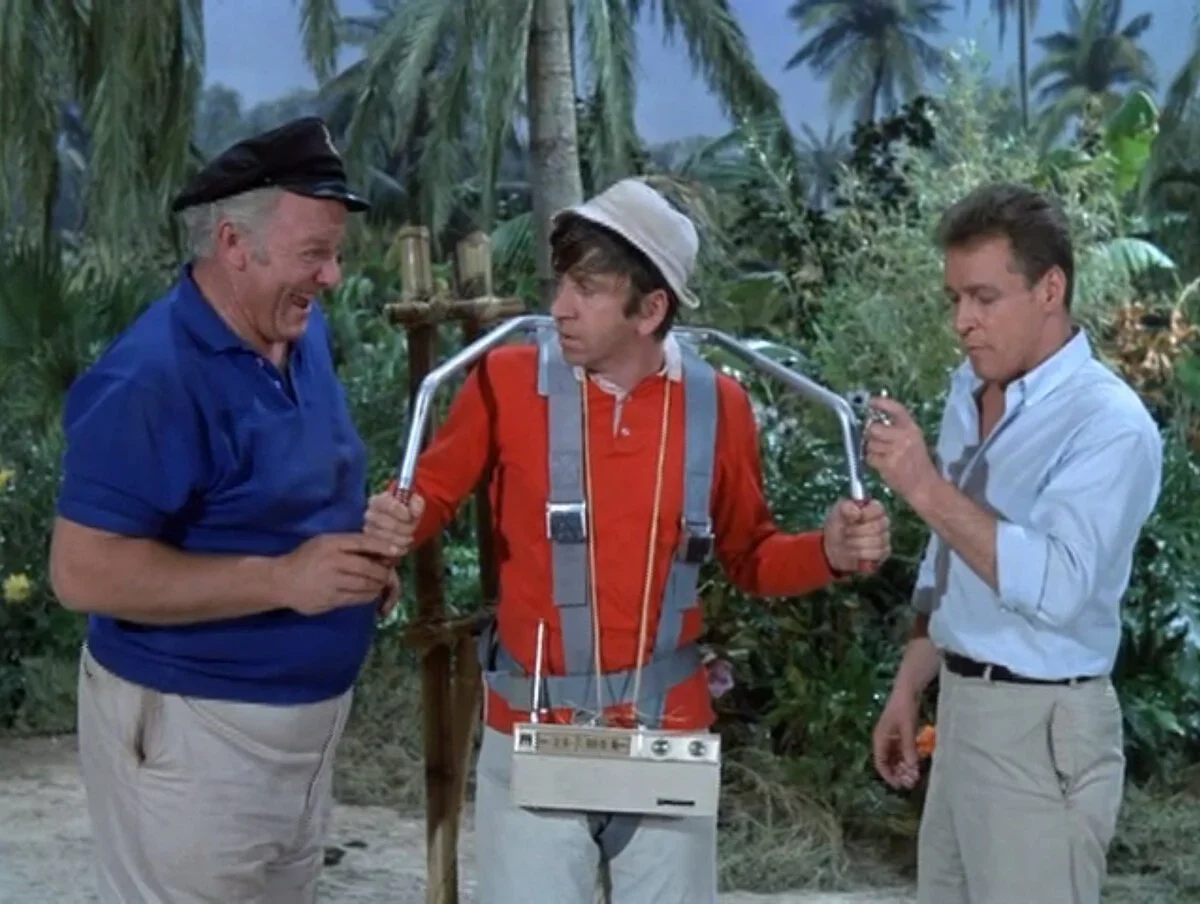
The leader's job isn't to have the answer. It's to create conditions where the best answer can emerge. That means encouraging disagreement without punishment. Creating opportunities for information to move across functions. Making it safe for people to challenge assumptions, including your own. The highest-performing teams in these simulations don't succeed because they have the smartest leader. They succeed because nobody in the room is waiting for one person to have all the answers.

Read More

Power Stops Working. Influence Doesn’t.

Power Stops Working. Influence Doesn’t.

The leaders who build something lasting lead differently. They retain great people, create cultures that outlast them, and build organizations that can function without them. They share power. They create it in others.  When a team operates out of fear of authority, they do the minimum required to avoid consequences.

Read More

When Leaders Say “Accountability Problem,” They’re Usually Wrong

When Leaders Say “Accountability Problem,” They’re Usually Wrong

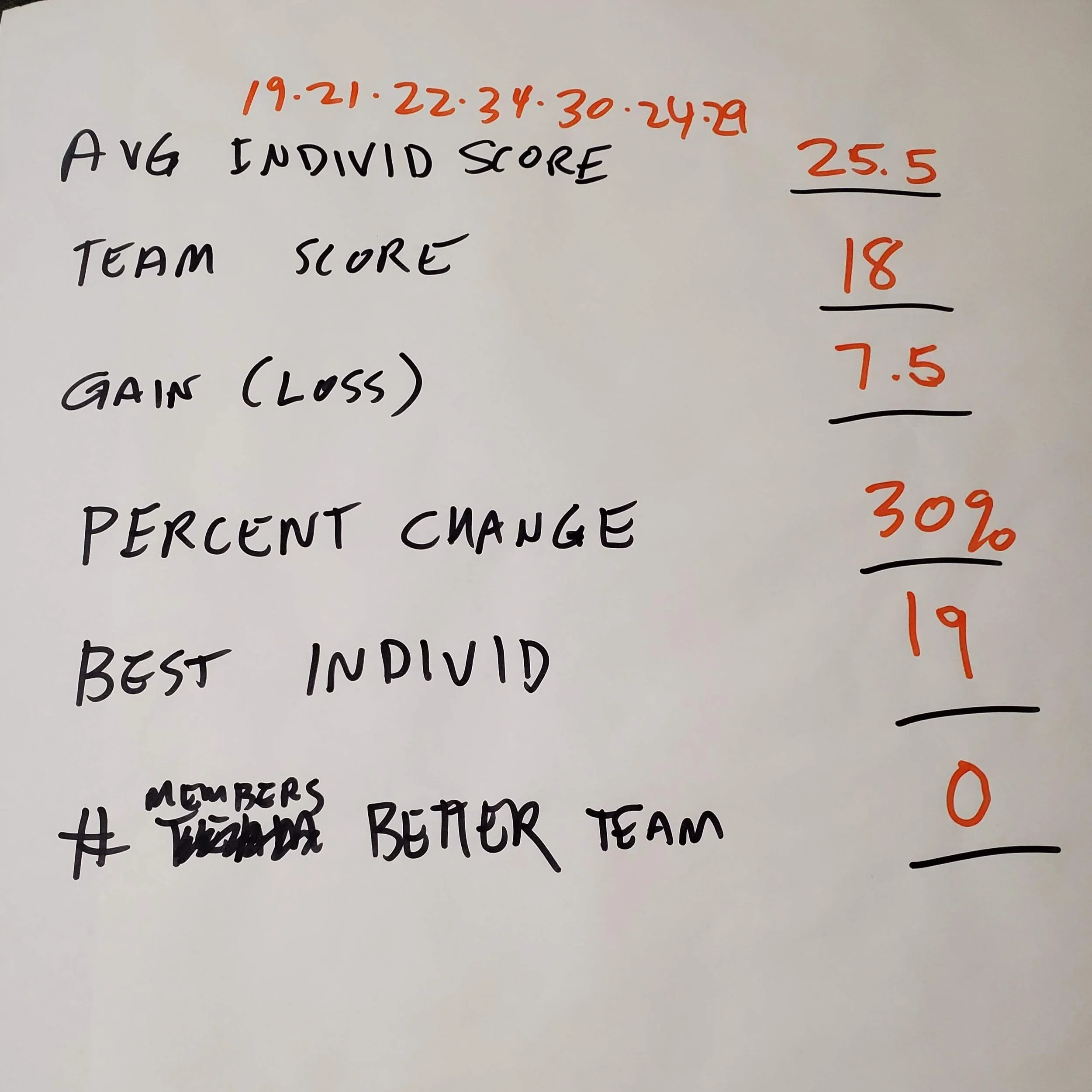
When a leader tells me their team has an accountability problem, I don’t start with the team. I start with asking the leader questions. In fifteen years of coaching founders and executives, I’ve found that accountability is almost never the root problem. It’s a symptom. And until you find what’s underneath it, you can replace people, run workshops, post core values on the wall, and the same problem will keep showing up with different faces.

Read More

When Positivity Becomes Toxic Leadership

When Positivity Becomes Toxic Leadership

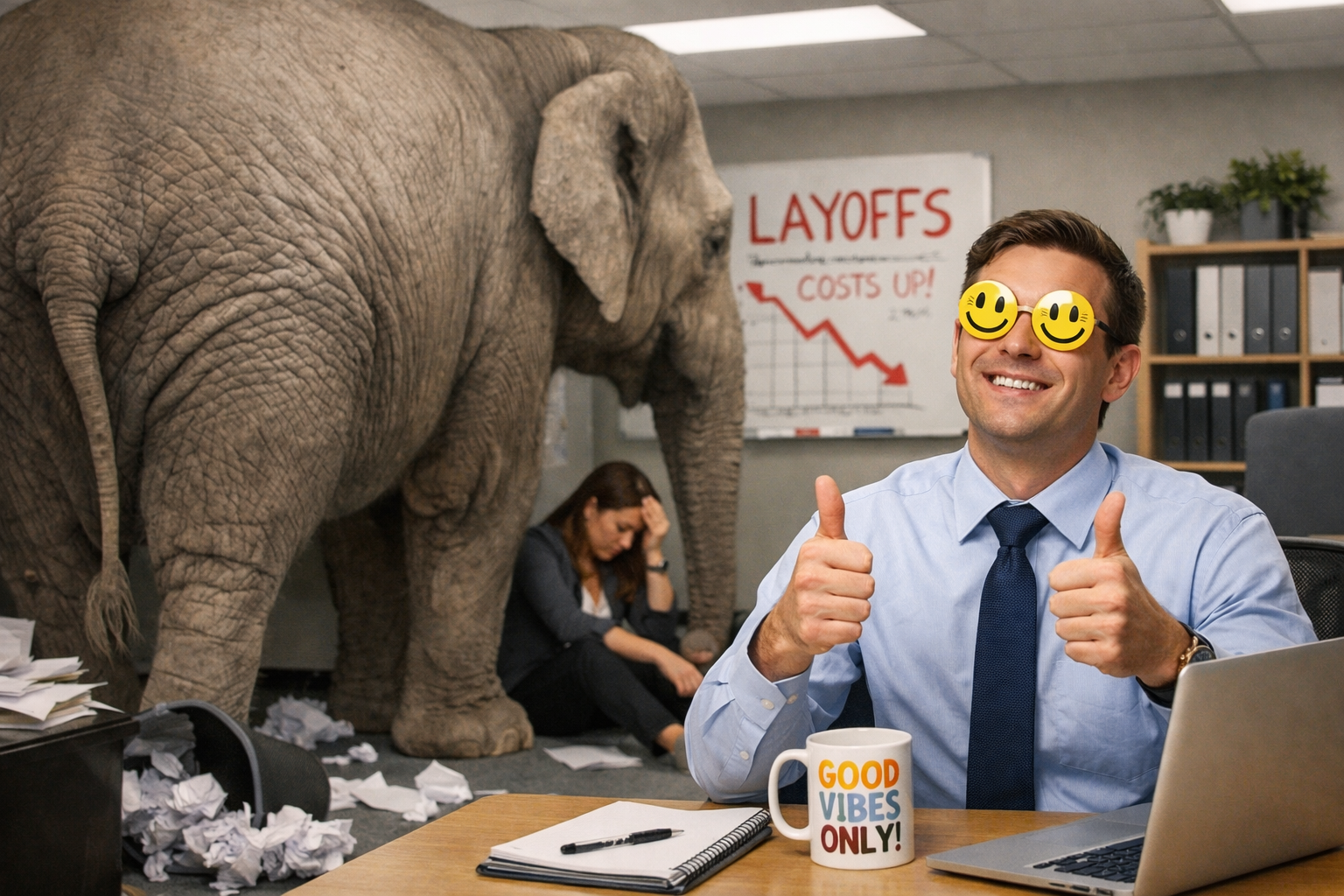
Positivity becomes toxic when it feels forced. When it ignores obvious problems. When it discounts what people are feeling or seeing. Most of the time it is not about morale. It is about discomfort. Leaders reach for positivity when they don't want to sit in the tension of a hard situation. If everything sounds upbeat, maybe the problem feels smaller. It doesn't.

Read More

Urgency vs. Patience: The Best Leaders Learn When to Use Each

Urgency vs. Patience: The Best Leaders Learn When to Use Each

Entrepreneurs who build traction almost always skew urgent. That urgency is often what gets the company off the ground in the first place. At scale, that same instinct becomes disruptive. People struggle to understand priorities. Context switches constantly. Everything sounds like a crisis. Leaders start mistaking urgency for accountability and patience for disengagement. So founders hire someone to "balance" them. Often a COO, Chief of Staff, or operations leader who skews more patient. In theory, it's a purposeful pairing. In practice, it creates conflict.

Read More

Toxicity Isn't a Personality Problem. It's an Environmental One.

Toxicity Isn't a Personality Problem. It's an Environmental One.

Strong cultures don't eliminate toxicity entirely. They detect it early and contain it fast. They have antibodies: clear values, frequent feedback, leaders who stay engaged even under pressure. The goal isn't perfection. It's resilience. Whether a single bad apple spoils the barrel is one of the clearest indicators of leadership quality

Read More

How a CEO's ethics impacts the culture of the organization

How a CEO's ethics impacts the culture of the organization

Much of the tech talk recently is about AI, specifically ChatGPT (generating text) and Lensa AI (generating images). So, I gave ChatGPT a request to write an article on how a CEO's ethics impacts the culture of the organization. While it lacks my charm and occasional snark, nor does it include the storytelling I often do, can you tell that it was machine-generated?

Read More

Stop Hiring for Culture. It’s Harming Your Business.

Stop Hiring for Culture. It’s Harming Your Business.

How many times have you been in an interview process when someone asks the question: “Will they fit in here?” Is there an objective way to answer that? The question of fit is based on careful business choices. It’s based on emotion, and we all know hiring isn’t a decision we should make emotionally. And yet…so many business leaders do.

Read More

Gen Z Isn’t Going Away, and We Shouldn’t Want Them To

Gen Z Isn’t Going Away, and We Shouldn’t Want Them To

It’s time to stop the generation war and recognize that we’re all looking for the same thing and that our workplaces are better when they include the perspectives of all the generations. During the pandemic, people started to look at their lives differently, at their jobs differently. Employers looked at their organizations differently. And many of us have come out of the pandemic in the same, new place.

Read More

Psychological Safety Isn’t a 4-Letter Word

Psychological Safety Isn’t a 4-Letter Word

If you’ve turned your nose up at the concept of psychological safety because, frankly, you’re getting tired of trying to figure out every new buzzword, I’m encouraging you to rethink. Creating a workplace culture where people feel safe to be themselves and feel respected for their contributions is critical. You’ll lose talent if you don’t.

Read More