Power Stops Working. Influence Doesn’t.
/When I became COO, one of the department heads came to me on his first day reporting to me.
He told me other departments rarely gave him what he needed. Tech in particular. He had previously reported directly to the CEO who got things unstuck for him. It worked. Would I now be the one doing that for him?
I told him no.
I said that the people who reported to me needed to work things out with each other. Lead with influence, not power.
He didn’t see how he could do his job that way and resigned the next day.
I’ve thought about that moment a lot over the years.
He wasn’t a bad leader. He was a capable one who had only ever mastered one way to get things done. When he had authority, he used it. When someone else had it, he borrowed it. He had never developed the skill of moving people without positional power.
And when power wasn’t a tool available, he couldn’t do the job.
That skill was influence. And many leaders don’t realize they need it until they’re in a situation where authority doesn’t apply.
Power Gets Compliance. Influence Gets Commitment.
Brené Brown draws a distinction I come back to often.
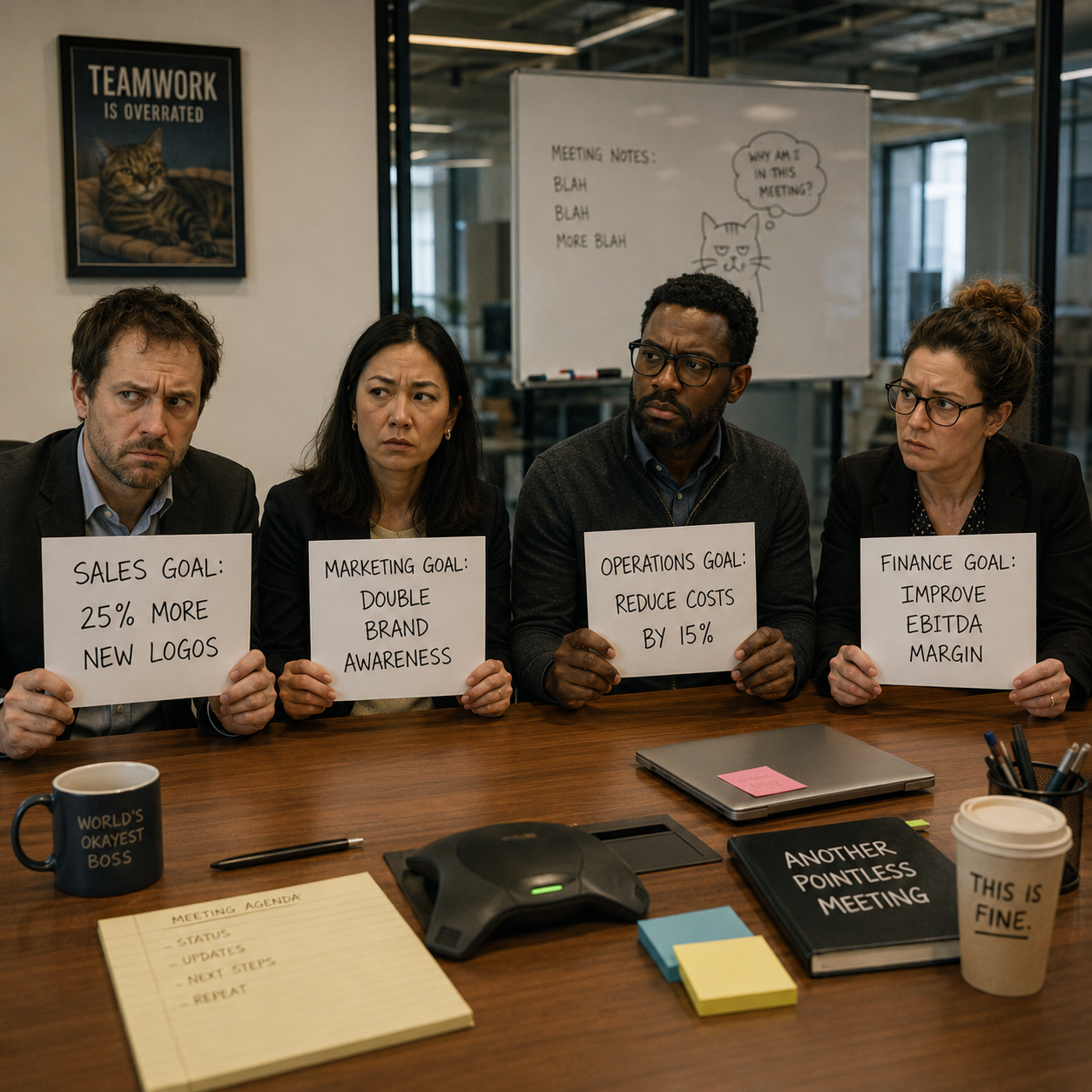
Power over is driven by fear. It gets people to do things. It doesn’t get them to care about doing them well.
The leaders who build something lasting lead differently. They retain great people, create cultures that outlast them, and build organizations that can function without them. They share power. They create it in others.
When a team operates out of fear of authority, they do the minimum required to avoid consequences. When they operate out of genuine alignment, they bring discretionary effort. They solve problems you didn’t know existed. They stay.
The leader who relies on positional power gets the work done today. The leader who builds influence builds an organization that works without them.
The Problem With Power Is That It Stops Working
Early in most leadership careers, authority feels efficient.
You have the title. People do what you say. The work moves.
What leaders don’t notice until later is what’s happening underneath.
The team stops bringing problems because they don’t want to raise something that makes the boss uncomfortable. They stop bringing creative solutions because no one asked for them. They start waiting to be told what to do.
And then the leader complains that no one takes initiative.
The dependency was built deliberately, even if unintentionally. Every time a leader solved a problem their team should have handled, every time they bypassed someone to get to a result faster, every time they made it clear that the only path forward ran through them, they were training the team to wait.
Power creates dependency. Influence creates capability.
What Influence Actually Looks Like in Practice
Most people assume influence is something you either have or you don't. A personality trait. Charisma. The ability to walk into a room and command attention.
That's not what I'm talking about.
Influence, in the way that matters for leaders, is the ability to move people who have accountabilities other than to move for you. Peers who don't report to you. A boss who isn't listening. A vendor you can't control. A partner who has other priorities.
It's a skill. And like most skills, it starts with something small.
I worked with a young leader whose one-on-ones with his boss kept getting canceled. Rescheduled, dropped, forgotten. He felt invisible and increasingly frustrated.
I asked him who scheduled the meetings. His boss did. Or was supposed to.
I suggested he start scheduling them himself and sending the invite.
He told me he wasn't sure he was allowed to do that.
I asked who told him that. Nobody had. He'd assumed it. He'd been waiting for permission to take ownership of a relationship that was entirely his to manage.
He sent the invite. His boss showed up.
He did what we call, “managing up.”
That's where influence starts. Not in grand gestures or political maneuvering. In small, purposeful actions that shift the dynamic without demanding anything from anyone.
For leaders managing “across,” the same principle applies at a larger scale. You can't make a peer in another department prioritize your project. You can't force a client to move faster. You can't compel a partner to show up differently. What you can do is make it genuinely easy to work with you. Make the shared goal visible. Reduce the friction of saying yes. That’s how trust gets built.
The leaders who are good at this aren't more charming or more political than everyone else. They're more intentional about relationships most people treat as transactional.
Here's the Hard Part
The department head who resigned on his first day reporting to me didn't fail because he lacked ambition or skill. He failed because he had only ever operated in environments where positional power was available. When it wasn't, he assumed he had nothing left to work with.
Most leaders assume that won't happen to them. They have the title. They have the authority. And they're right, until they aren’t.
Every leader eventually ends up in a situation where authority doesn't reach. A peer who won't cooperate. A board that isn't aligned. A key client relationship that depends entirely on trust. A team that reports to them on paper but isn't actually bought in.
What you do in those moments is shaped by what you've been building the whole time.
The leader who relies on positional power gets compliance when they have authority and resistance (or indifference) when they don’t.
The leader who has spent years building influence finds those relationships still hold when the power dynamic shifts.
Power doesn't disappear. It just gets more expensive to use the more you rely on it.
Influence compounds. The work you put into a relationship today is still working five years from now, in a context you couldn't have predicted, with someone who remembers how you treated them when you didn't have to.
The leaders who last aren't the ones with the most authority. They're the ones who figured out they didn't always need it.