It's Never Been Easier to Be "Right." That's the Problem.
/You can find data, advice, or an AI-generated argument to support almost any decision you want to make.
That was the promise.
It didn't deliver.
Because now the problem isn't figuring out what to do.
It's figuring out what to ignore.
More inputs didn't remove bias. They multiplied it.
We were told better decisions came from more information. More data. More analysis. More perspectives.
Then we added AI.
Now you can pull data instantly, generate a strategy in seconds, and pressure-test your thinking with something that sounds confident and coherent.
And still walk away with the exact conclusion you started with.
Not because the tools are broken. Because they're flexible.
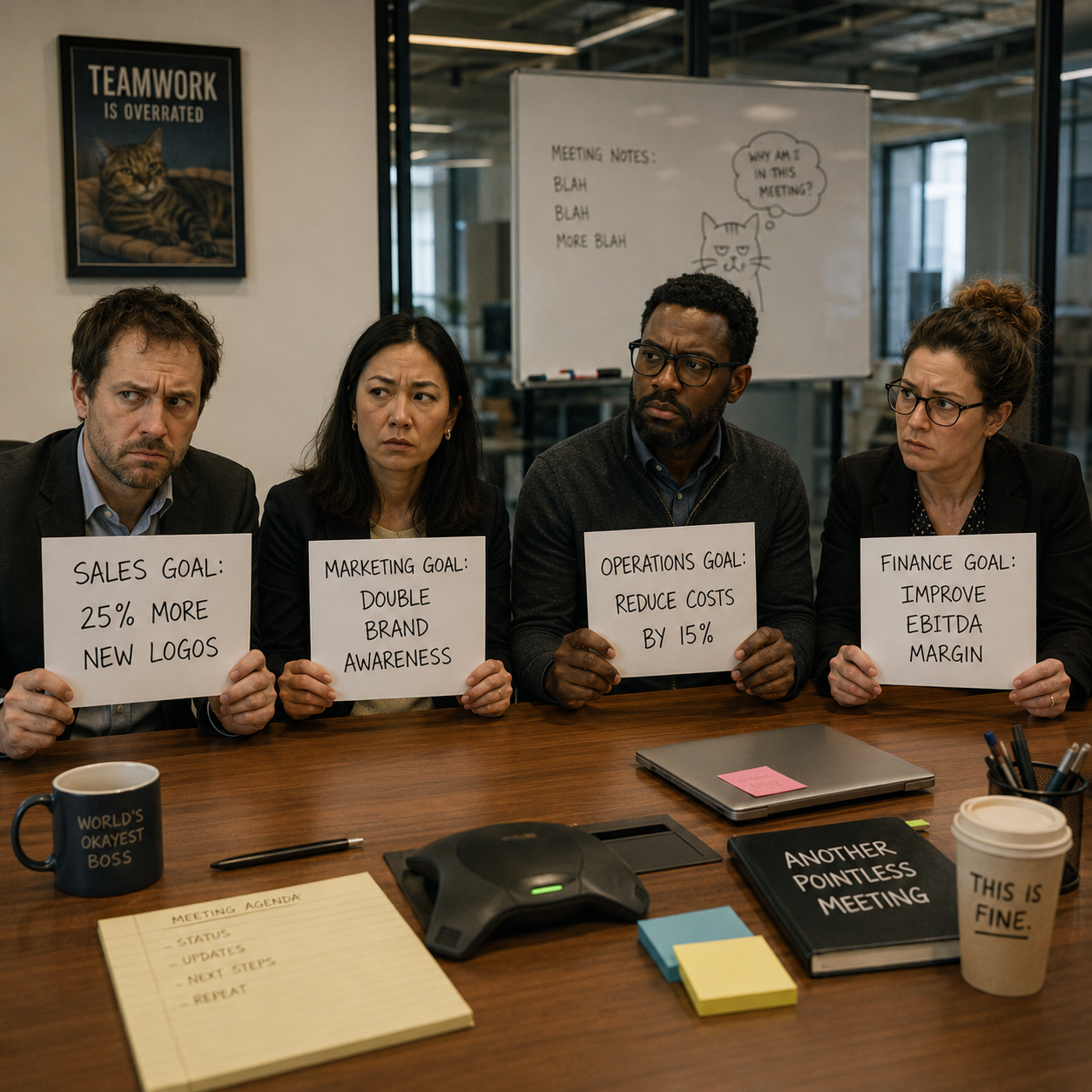
Give ten leaders the same data and they'll reach ten different conclusions. Give them AI, and each one can explain why they're right.
One of my clients recently told me he spends four hours a day working with AI. I asked if coaching could be replaced by it. His honest answer was yes, mostly. AI is better than I am at helping someone set goals and track accountability. It's with you every day. I'm not.
It won't challenge you in a way that forces you to rethink your position. Most of the time, it helps you articulate what you already believe. Faster. Better. More convincingly.
We didn't remove bias. We made it easier to defend.
And we call that being data-driven.
It’s not. It’s just well-defended bias.
It just sounds smarter now.
The choice problem
Barry Schwartz studied what happens when people get more options. His conclusion was simple: beyond a certain point, more choice makes decisions worse, not better. He found that people who try to find the absolute best option, he called them "maximizers," are consistently less happy than people who pick the first thing that clears the bar.
I've felt this in places you wouldn't expect.
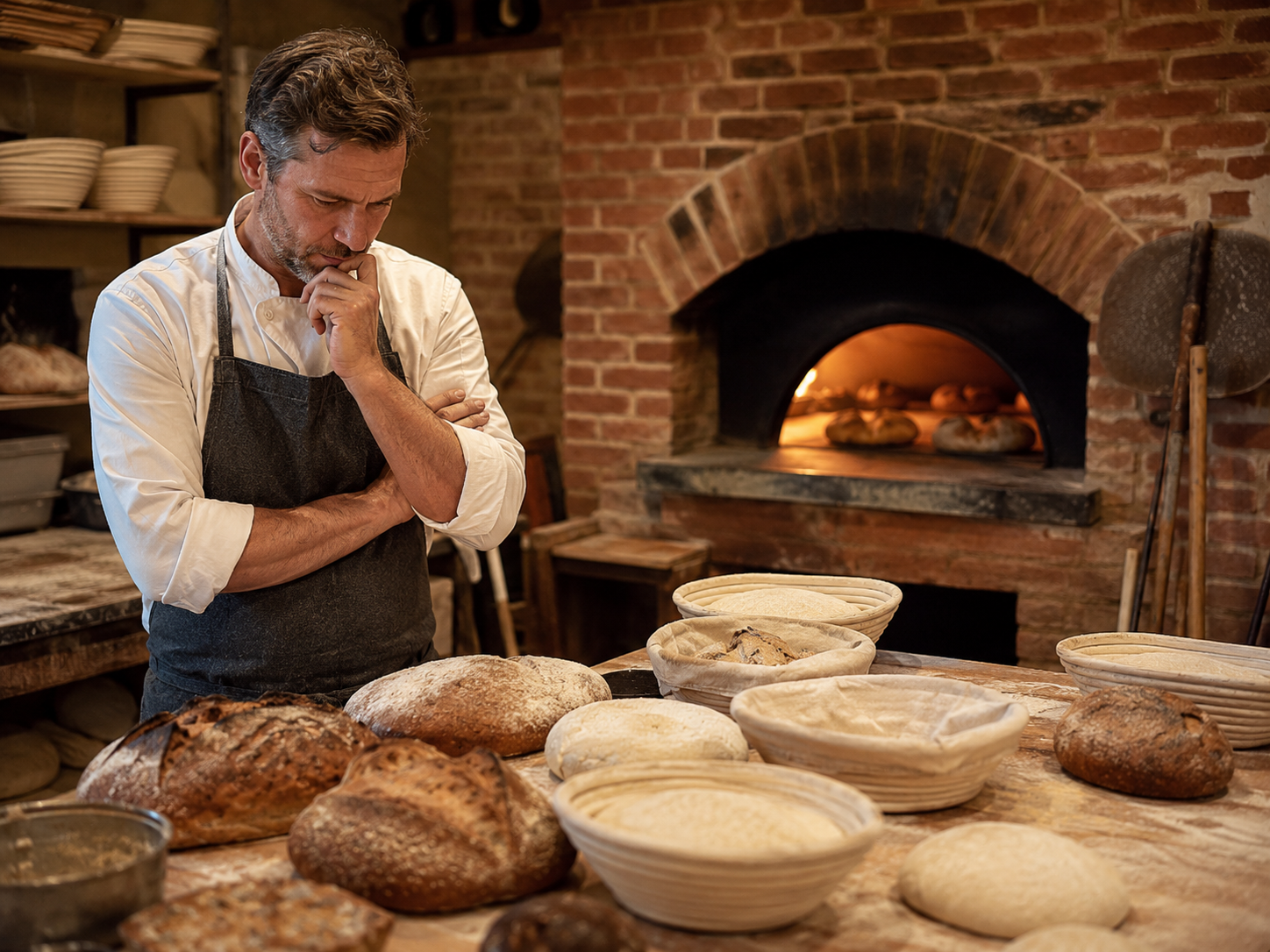
As a vegan, when I go to a typical restaurant, I usually have two options. I pick one. No problem.
When I go to a vegan restaurant, I can eat everything on the menu.
And there I get stuck.
More choice doesn't feel like freedom. It feels like pressure.
I’ve written about this before. The inability to make a decision stems from fear. And BCG found that CEOs who wait for perfect clarity before making investment decisions will fall behind. The leaders who move aren't the ones with the most information. They're the ones who trust themselves to act without it.
Leadership feels a lot like that vegan menu right now.
The advice problem is the same problem
Leadership advice isn't scarce. It's everywhere. Podcasts. Posts. Books. Frameworks.
You can find advice that tells you to slow down. Move faster. Trust your gut. Ignore your gut. Focus on data. Ignore the noise.
All of it can be justified. All of it can work.
None of it tells you what to do in your situation.
I wear a smart ring that tracks my sleep and recovery. Every morning I check it. Most days I do the same thing anyway. The data is accurate. It just doesn't make the decision for me.
I've tried meditation too. Multiple times. Even bought a Muse headband that reads your brain signals and gives biofeedback. It didn't stick. So me telling you to meditate would sound right. It just wouldn't be honest. HBR's advice on managing anxiety is practical: slow down, don't isolate yourself, have a distress plan. And still even they acknowledge there's no single system that works for everyone.
What works isn't universal. That's the gap most advice ignores.
When intuition is earned
You’ve seen me write about decision avoidance, and waffling. I advise clients to measure what they want to improve. To have data before making a change.
And yet I see what happens when there's too much data. Indecisiveness. Paralysis. Too many scenarios to analyze and too many choices to make.
So I was particularly impressed when a client recently told me they were going to terminate a newly hired executive because their gut told them it wasn't going to work out.
Normally I'd push back on that. Give it more time. Create measurable milestones. Have a series of difficult conversations first.
This client had been here before. They'd let bad hires go on too long. Made excuses to delay decisions. Avoided difficult conversations. Collected inconclusive data to justify waiting.
This time, they skipped all of it. They used their experience and intuition to cut to the chase.
That wasn't reckless. That was growth.
We call this intuition.
Not a feeling. Not a guess.
It’s pattern recognition built over time.
Experience plus data, compressed into a decision.
The problem is most leaders either ignore it or misuse it.
They ignore it when they’ve earned it.
They misuse it when they haven’t.
The real skill is filtering
One of the most consistent patterns I see with leaders right now isn't a lack of information. It's too much of it.
Too many options. Too many perspectives. Too many "right" answers.
And the cost is real. Research shows that when people don't feel confident enough to commit to a direction, they make defensive decisions, choosing the personally safer option instead of the one that's best for the organization. One study found that pattern costs companies nearly 11% of annual revenue in forgone opportunities.
That's not a personality issue. That's a business cost.
The leaders I work with who navigate this well don't have better information than everyone else. They have better filters.
They know which inputs matter for this decision and which ones are noise. They know when they've crossed from useful analysis into avoidance. And they've built the self-awareness to recognize when their own bias is driving the bus.
That's not something AI can teach you. It takes a sounding board. A peer group. A coach. Someone who will say the thing the algorithm won't:
You already know what to do.
Stop looking for permission.
Bottom line
It's never been easier to justify a decision.
That's what makes decisions harder.
Because now you can always find a reason to wait. Another perspective. Another dataset. Another opinion that might change your mind.
At some point, you have to stop.
Not because you have perfect information.
Because you've decided you have enough.
The best leaders aren't the most informed.
They're the most selective.
And they act anyway.