How Bootstrap Startups Get it Right
/Bootstrap startups control their own destiny, and they learn how to harness their own skills and creativity. They also need to control their spending, hold themselves accountable, and get creative.
Read MoreBootstrap startups control their own destiny, and they learn how to harness their own skills and creativity. They also need to control their spending, hold themselves accountable, and get creative.
Read MoreIntentional professional development is one of the most effective investments organizations can make in their own success. Yet it’s something we frequently find lacking. Here’s how to create a plan for every employee.
Read MoreThe CEO rulebook is completely different from the founder rulebook. And once you’re not a startup anymore, you can’t keep acting like one. If you do, you’ll risk the success you’ve worked so hard to achieve.
Read MoreWhether you’re creating a full-fledged training program, helping a few high-potential individuals, or support a recently promoted manager, you need four things to support their development.
Read MoreEvery organization has a culture, whether it was created intentionally or not. Developing and implementing your values puts you in control of that culture. Most importantly, it helps you identify who’s aligned with it and who’s not. Here’s how to create your core values — not just some words that you put on a wall or a website — but the actual tenets that underpin your organization’s culture.
Read MoreAs it turns out, determining whether someone will be a good fit for your organization is hard. Outsourcing the hiring process is a smart choice for many organizations. And you’re not limited to recruiting firms.
If you’ve achieved an ounce of success in your life, there’s a good chance you’ve experienced imposter syndrome. It’s that uncomfortable feeling that you’re not as smart or talented or skilled as others believe you to be. At any moment, you’ll be exposed as a fraud.
Read MoreThe future is uncertain, and the businesses that succeed will be the ones who prepare for it. They’ll do more than a quick risk assessment. They’ll follow a series of careful steps to ensure they’ve planned for whatever lies ahead.
Read MoreGrowing your business has costs — time costs and money costs. Making sure even the smallest investments pay off is key to growing organically and without big cash infusions you may not have.
Read MoreAt some point, that do-it-all person will have to stop doing and start delegating. Otherwise, they’ll begin to feel like they’re on a hamster wheel — doing what they’ve always done but suddenly getting nowhere. Making that shift is challenging. In fact, it’s one of the most difficult, yet important, transitions founders go through.
Read MoreThe concept of a coach used to be reserved for athletes. Now you can hire a coach to help you with everything from weight loss or parenting to public speaking and career transitions. So with all these coaches running around, how do you know what’s a worthwhile investment of your time and money?
Read MoreAll those important lessons you learn over the course of a career can actually hurt you if you don’t know when to set them aside. You have to see when it’s not a time to be the seasoned CEO and instead lean into your role as the scrappy founder — even if this isn’t your first (or your seventh) rodeo.
Read MoreManaging your business’s finances might not feel intuitive. Many of us begin our entrepreneurial careers with a great idea. We spend the rest of that career trying to understand all the moving pieces that will make it profitable. There are people that will give you numbers. The truth is that there’s no clear rulebook. These profit and investment calculations are individual to each business.
Read MoreTrajectify's new Business Coordinator shares the ups and downs of a six-month job search after the pandemic left her industry in decline.
Read MoreHere’s the truth: Our plans for 2020 got blown up. Everyone’s plans. We didn’t plan for our lives or our businesses or our cultures to get this disrupted. Back in the spring, we got scrappy. We came together. We figured out new ways to do things. Back in the spring, we thought we were trying to weather something that would be a few months long. Now, we’re tired. So, what’s the antidote?
Read MoreBeing part of building a seventh company taught me many things. It taught me that tech entrepreneurs can’t do everything — more than that, I learned that honesty about how your skills and expertise line up with what you’re trying to build is much more important than a passion for what you’re selling.
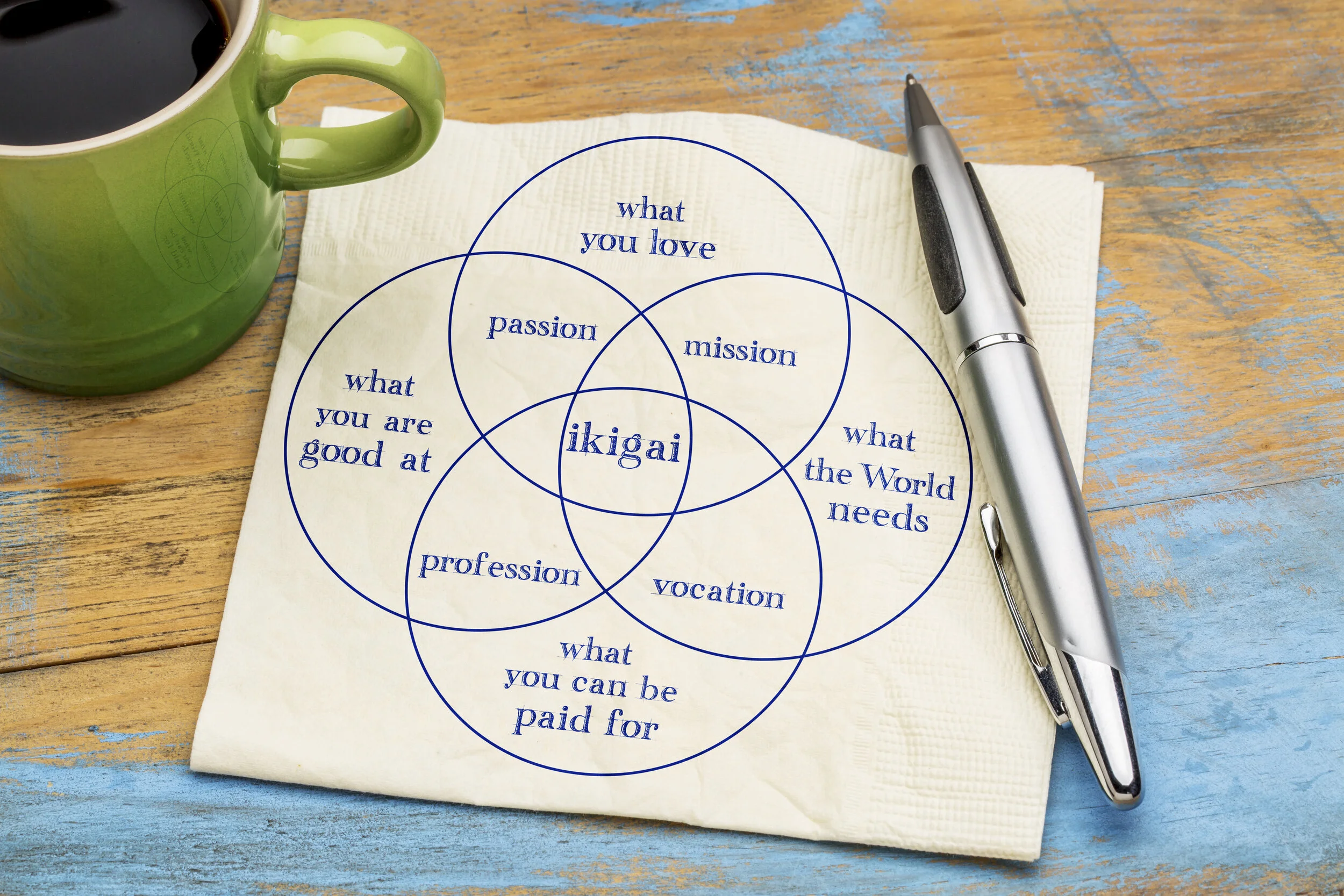
Read MoreMany entrepreneurs believe that being led by their passion is a prerequisite for starting a successful organization. Definitely for starting one that they’ll enjoy running. The problem with this narrative is that passion does not equal success. In fact, I would argue that too much passion in a business leads to failure.
Read MoreFor many young or small companies, managing processes and meeting goals is pretty straightforward. They have a team of three or four people committed to the mission. They’ve defined roles and responsibilities. There are few barriers to communication. Then they start to grow. Now they’re a team of 15 or 20, and they’re not sure why exactly, but things aren’t going so well. That’s where an organizational assessment can help.
Read MoreIn 2005, I was working as a consultant, doing some due diligence on software for a startup. The company, founded by two patent attorneys, was attempting to create an online marketplace for swapping books, music, movies, and video games—back when those were all physical objects that needed to be physically traded. The founders had patented their ideas and written hundreds of pages of specs. They’d already hired, fired, and had sued one software development firm. When the second firm they’d hired went past budget on a fixed price contract before completing the software, the founders reached out to me.
Read MoreConflict is inevitable. Everyone is different—different backgrounds, different scripts, different personalities, and different goals. Difference creates conflict. If we’ve learned anything from the last few months of civil unrest, it’s that embracing differences in our lives and in our organizations is critical. Workplace conflict will happen. By treating it as an opportunity for growth, we’ll help ourselves, our organizations, and our employees.
Read MoreStartups and Small Businesses sometimes find themselves at the edge of a chasm. With success in developing and growing their business, a stage is reached where they find that the "next step" is a big one! Trajectify partners with the entrepreneur to build momentum and trajectory to be able to cross the chasm.
We offer private and group (Mastermind) coaching and hold frequent events and seminars.
Trajectify is founded my Mike Krupit, veteran of eight startups. Mike has helped dozens of companies grow and mentored and advised hundreds more.
One of the hardest things for a manager to accept is that a layoff meeting isn’t a discussion about whether someone keeps their job or even why it’s happening. The decision has already been made. The meeting is short and one-on-one. The news comes from the person’s closest manager, unless that manager is also being laid off. HR is in the room. The manager says a few clear sentences, then HR walks the person through the paperwork and next steps. Short doesn’t mean robotic.
Technology used to be expensive to build, and relatively inexpensive labor was often the better return. AI has changed that calculation for certain kinds of work. Tasks that once required entire teams can now be automated relatively cheaply. I don’t think CEOs should pretend otherwise. I do think they need to be honest about what actually changed.
I’ve been facilitating CEO peer groups for fifteen years. The biggest factor in whether someone gets value from a group is vulnerability. Not performative vulnerability. The kind that costs you something to say out loud, the thing you'd rather not say because it makes you look uncertain, stuck, bored, scared, or wrong. The people who get the most from these groups aren't necessarily the ones with the biggest problems. They're the ones willing to let the room see the problem clearly enough to help.
I don't think every CEO needs to become a LinkedIn personality. The question is simpler. Who needs to know you exist? Where are they? And what would help them understand how you think before they ever sit across from you? That answer will change as the company grows, as your buyers change, as platforms come and go. You adjust. That I don’t think you can do anymore is decide visibility isn’t part of your job at all. Your personal brand is important to your company’s brand.
Most founders and executives I work with are uncomfortable talking about how they look. It feels shallow. Not the point. I get it. They started their companies because of a vision, not an ego. By the time they're working with an advisor, they're wrestling with real problems: who belongs in which seats, how to build accountability, how to run a leadership meeting. Thinking about personal image can feel self-indulgent by comparison.
Founders tend to think about a major transition as a singular event. You prepare, announce, close, and now you're a different company. In my experience, the company starts changing well before any of that happens. I've been through this several times now, and the details were different every time. The weirdness was pretty consistent.
Sometimes exploration is worth it. Sometimes you just spent a week of the team’s attention answering a question the founder could have tested in an afternoon. That is the part I think leaders underestimate. Ideas do not only cost money. They cost time, focus, and brainpower long before anyone approves a budget. The question I’d want answered is: how much of the organization does this idea deserve yet?
TEAM | INTERIM EXECS | COACHING | PEER ADVISORY | SERVICES | RESOURCES | CAREERS | CONTACT
Copyright 2026, Trajectify LLC. All Rights Reserved.
Openness isn’t indecision, and it isn’t leading by consensus. In my first CEO job I studied servant leadership. I even brought in the man who wrote the book to give my team a pep talk. It was a terrible pep talk. He recited his book, word for word. The idea sounds great. Take care of people and they’ll follow. It isn’t enough. What do you do about conflict? What do you do about someone who isn’t performing? At some point you run out of inspiration and have to act.