About twice a month, the Trajectify newsletter presents a relevant article, links and event notifications. Learn more about entrepreneurship and innovation. Get unstuck, accelerate growth, and find hidden opportunities.
We promise never to spam you, and your email is never shared.
Entrepreneurs who build traction almost always skew urgent. That urgency is often what gets the company off the ground in the first place. At scale, that same instinct becomes disruptive. People struggle to understand priorities. Context switches constantly. Everything sounds like a crisis. Leaders start mistaking urgency for accountability and patience for disengagement. So founders hire someone to "balance" them. Often a COO, Chief of Staff, or operations leader who skews more patient. In theory, it's a purposeful pairing. In practice, it creates conflict.
Strong cultures don't eliminate toxicity entirely. They detect it early and contain it fast. They have antibodies: clear values, frequent feedback, leaders who stay engaged even under pressure. The goal isn't perfection. It's resilience. Whether a single bad apple spoils the barrel is one of the clearest indicators of leadership quality
Most leaders I work with dread annual planning. Not because planning is useless. Because everyone has an opinion on how you should do it. None of them run your business. And you’re stuck trying to satisfy everyone else’s version of “the right way” instead of figuring out what actually works for you. That’s the first problem.
Many leaders do the same thing with every hard decision. If you’re waiting for the right time, you’ll never act. There is no perfect information. There is no risk-free moment. There is no version of this that doesn’t require courage. Make the decision. Or don’t. But stop pretending indecision is neutral.
Most leaders don't call themselves perfectionists. They say they're being thorough. Setting the bar high. Still working to get it right. That's not always what's happening. Perfectionism rises as uncertainty rises. When leaders feel watched, judged, or exposed, perfection becomes the shield they grab.
When you waffle, you're not avoiding a choice. You're making one. You're choosing to stay stuck. You're choosing to slow your team. You're choosing to let opportunities expire. Most of the time, the facts that informed your original decision haven't changed. Only your emotions have. Make the decision or don't. Stop pretending indecision is neutral.
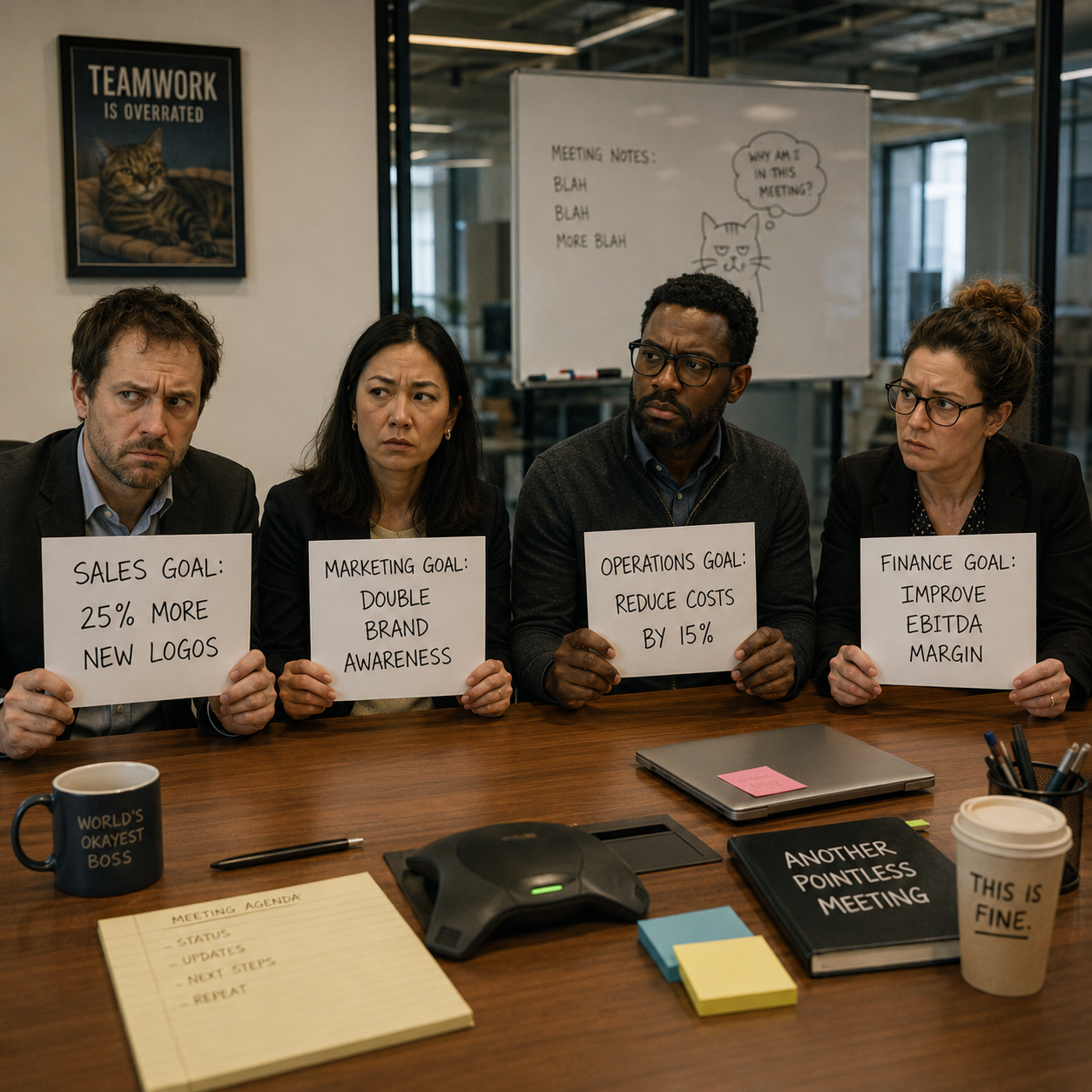
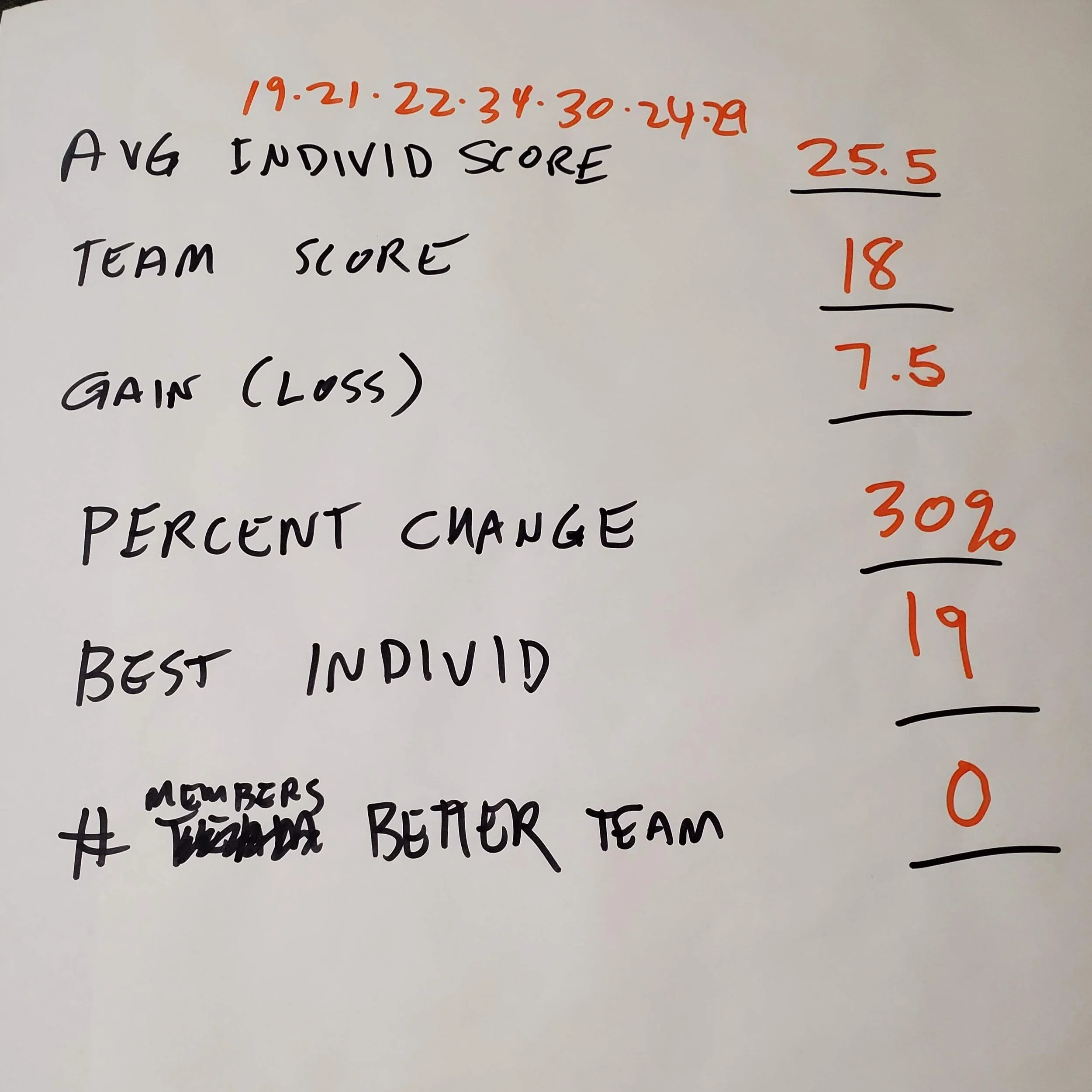
Every high-performing team needs strengths from both sides of the spectrum. Long-term thinkers and short-term executors. Planners and improvisers. Structure followers and rule breakers. Without both, the team is weaker. Nowhere is that tension clearer than between team players and competitive players.
Research shows that when we see ourselves clearly, we’re more confident, more creative, and better decision-makers. We build stronger relationships, communicate more effectively, and lead more satisfied, higher-performing teams. Yet most leaders overestimate their self-awareness dramatically. Yet most leaders overestimate their self-awareness dramatically. In one study, 95% of people believed they were self-aware — but only 10 to 15% actually were.
When uncertainty hits, employees want answers. If they don’t get them, they’ll make up their own. Usually jumping to the worst-case scenario in the process. That speculation erodes trust and compounds anxiety.

Founder mode is neither good nor bad. Hustle is neither noble nor toxic. The real question is simpler and harder. Is the urgency coming from the needs of the business, or from the wiring of the founder? I see this constantly. Founders who built successful companies and cannot break through the next level of growth. Not because they stopped working hard, but because they never stopped working the same way.