
An Organizational Assessment is a way of looking at an organization and its leadership to understand its current state and determine gaps between desired performance and how it can achieve its goals. Assessment is an organic process, often integrated within an overall Organizational Development (OD) process:
Discovery → Diagnosis → Action Planning → Implementation → Conclusion
The Assessment encompasses the first two phases in the OD cycle. The purpose of the Assessment is to uncover challenges and opportunities in the organization in detail, to identify factors and forces that might be causing problems or inhibiting growth, and to prepare the collected information to decide how to implement possible solutions to the identified problems.
The scope of the Assessment examines leadership, organizational structure, processes, behaviors (value and culture), and communications.
What is usually involved in an Organizational Assessment?
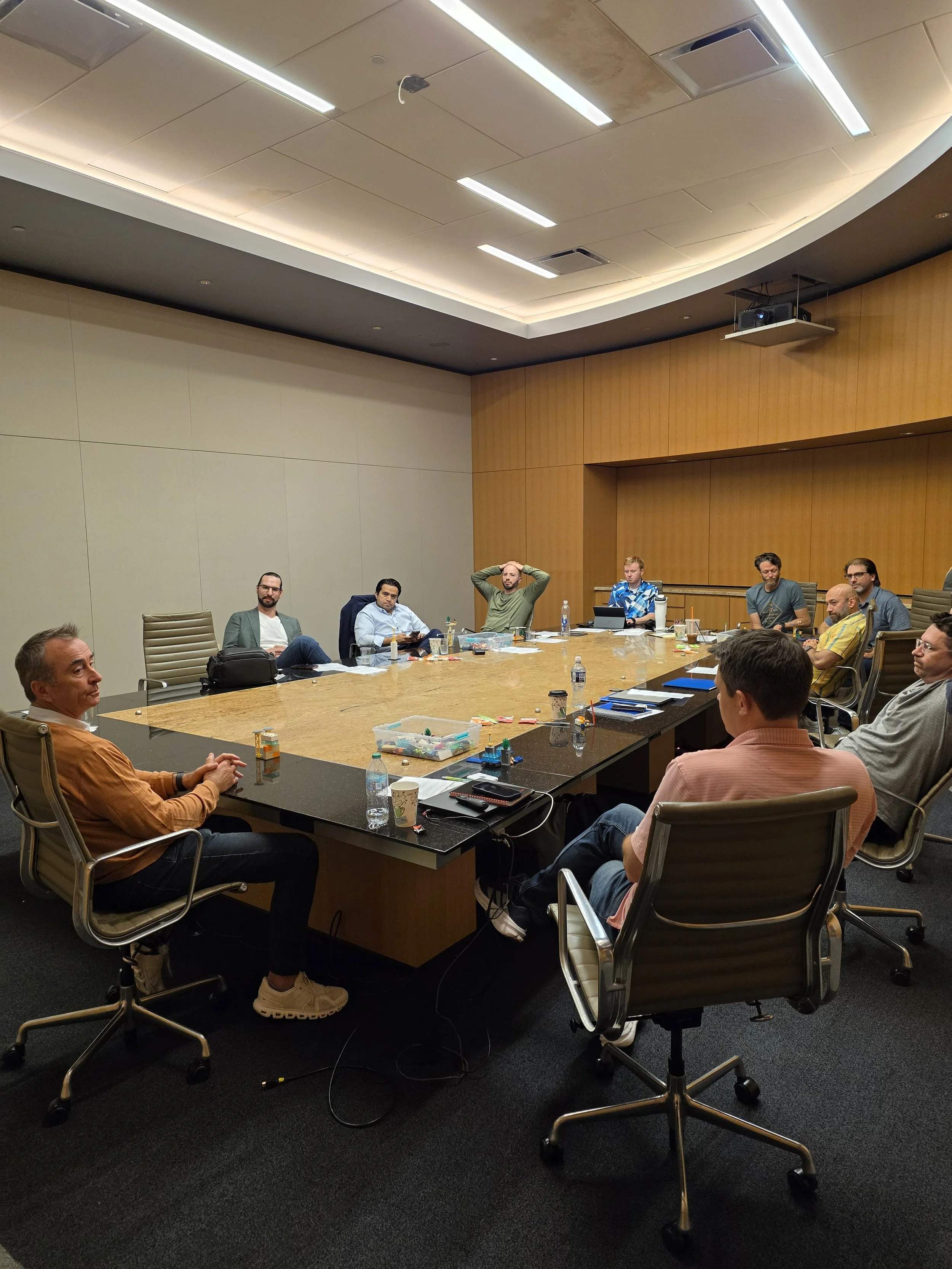
Understand the organization’s structure. Conduct interviews with key contributors.
Understand and document roles, responsibilities, and key processes, observe a number of departmental and company meetings, evaluate company goals structure, metrics and KPIs.
Identify the team’s strengths and weaknesses and core competencies. (We administer the BestWork Data assessment to all key personnel and do a GAP analysis.)
Develop and administer a culture audit (via survey, to all employees) to evaluate engagement.
Evaluation of human resources practices.
What are some of the outcomes of an Organizational Assessment?
An understanding of gaps and challenges that might be inhibiting growth.
Discovery of opportunities to improve performance and manage rapid growth.
Specific recommendations to leverage strengths and address challenges.
An assessment of leadership capabilities and gaps.
Stronger team engagement, developing a collaborative sense of ownership and accountability.
How do we get started or learn more?
Contact us. We’re always available to have a conversation. Our consultations are at no cost.






One of the hardest things for a manager to accept is that a layoff meeting isn’t a discussion about whether someone keeps their job or even why it’s happening. The decision has already been made. The meeting is short and one-on-one. The news comes from the person’s closest manager, unless that manager is also being laid off. HR is in the room. The manager says a few clear sentences, then HR walks the person through the paperwork and next steps. Short doesn’t mean robotic.